UAV Battery
SUJOR is committed to delivering high-performance, cost-effective UAV battery solutions.
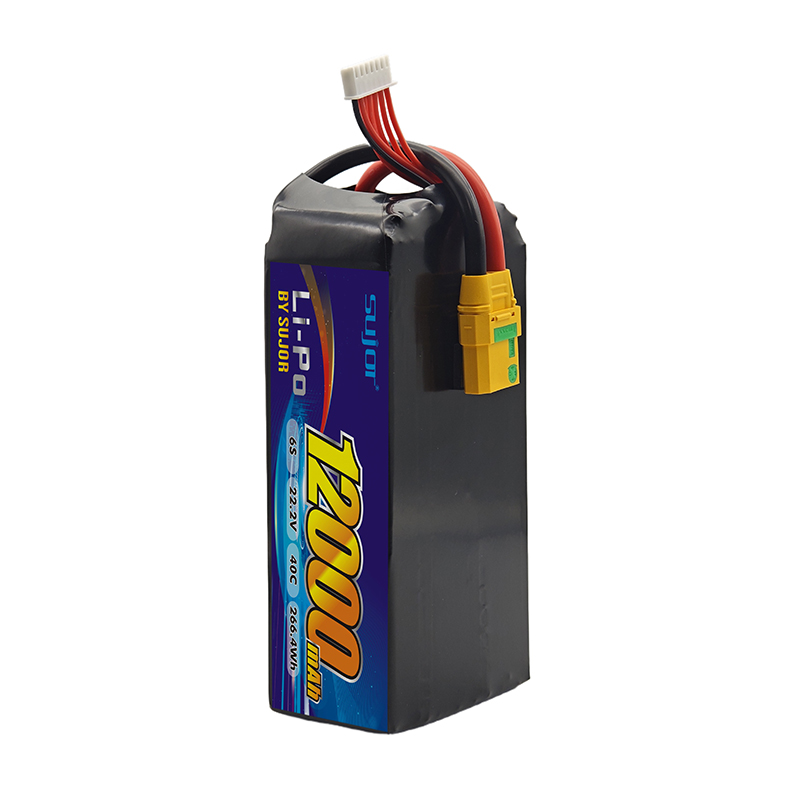
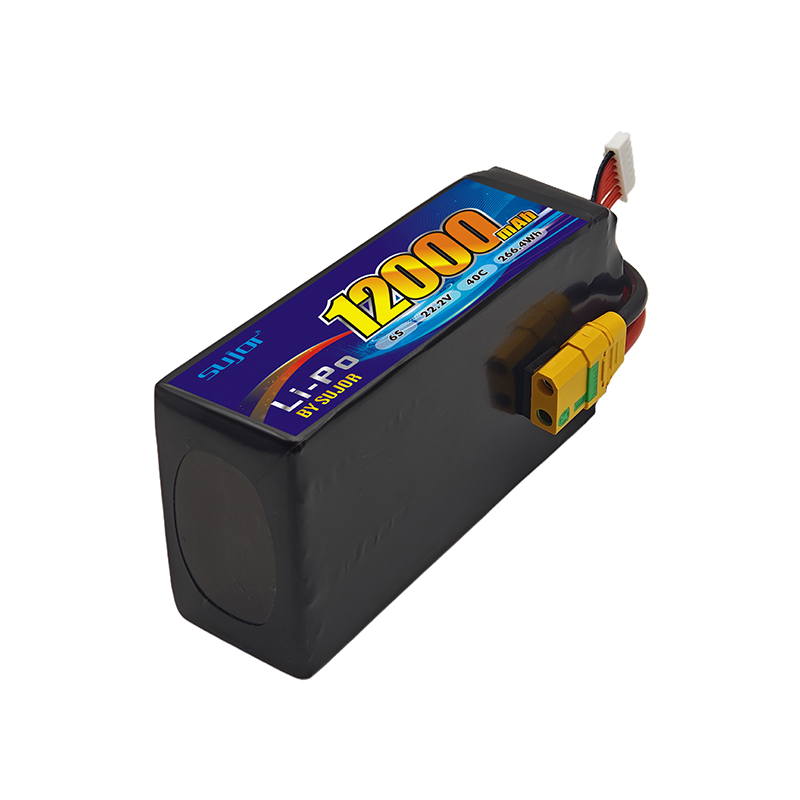
Product Introduction:
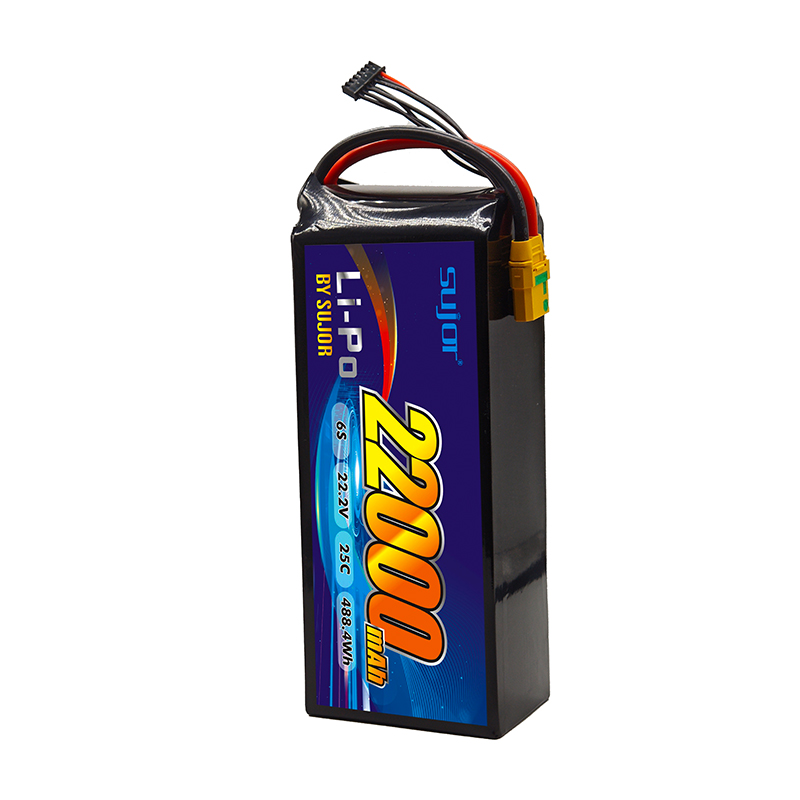
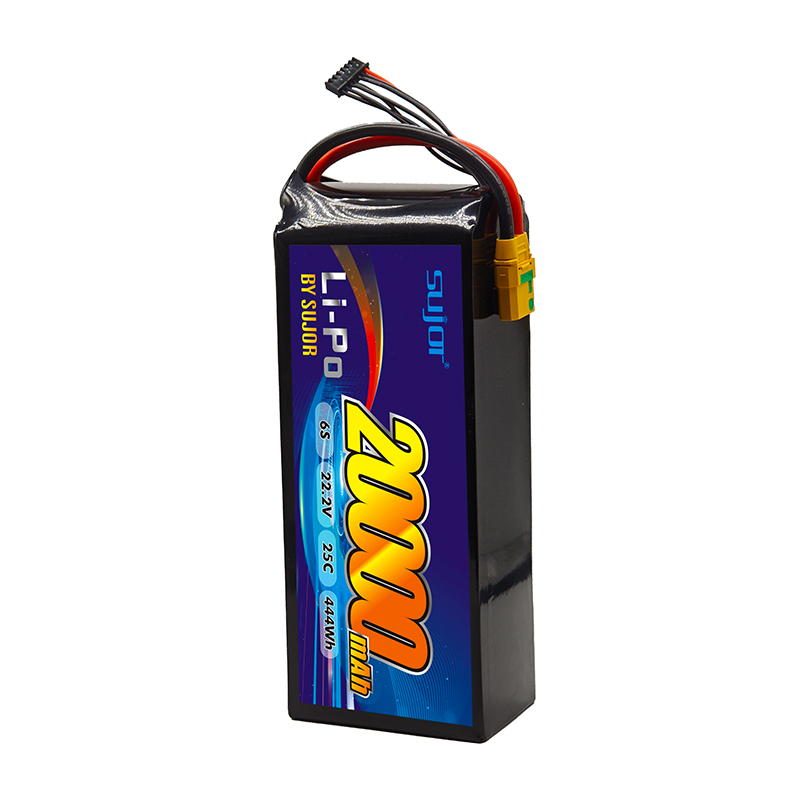
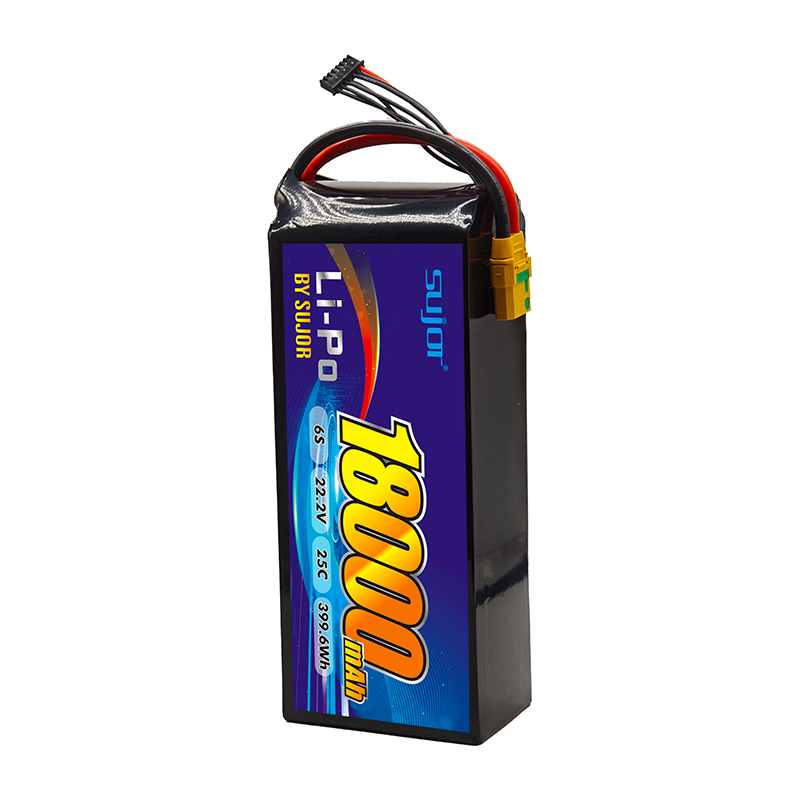
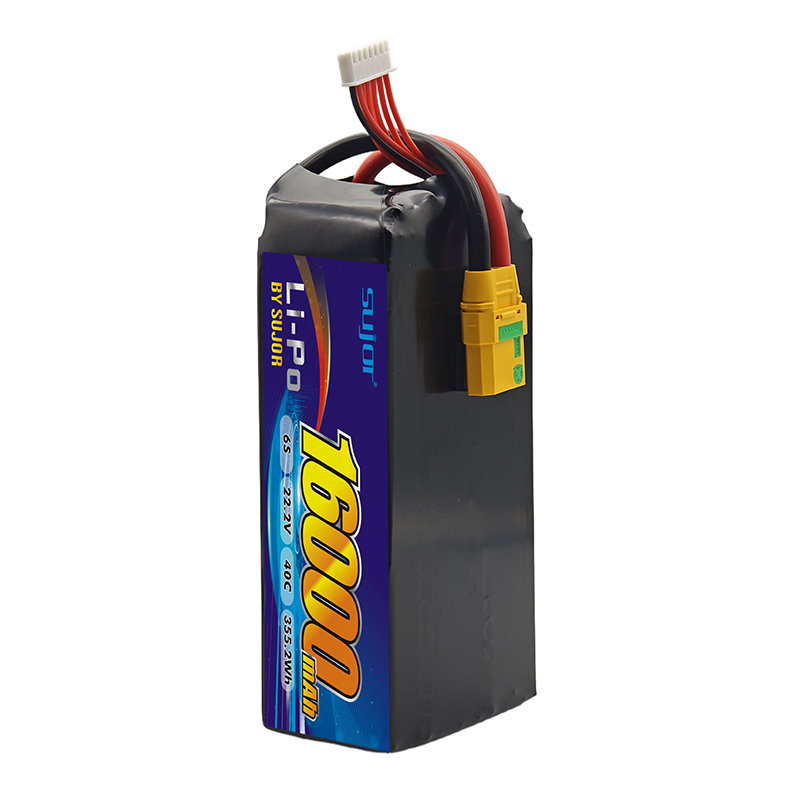
SUJOR 6S 40C 22.2V Lipo battery with soft pack are engineered to diverse applications such as Fire-fighting drone, small agricultural drone, surveying drone, police drone, ect. Our stacked production process ensures high capacity, high discharge rate and excellent performance. It is popular for both commercial UAVs and professional drones. Besides, we aim to provide extensive customization options including voltage, capacity, discharge rate and temperature.
Share
Basic Specification
|
Item |
Rating |
Remark |
|
Model |
SUJOR-22.2V 6s1p 12000mAh 40C |
55*80*185mm(H*W*L) |
|
Nominal capacity |
12000mAh |
Standard discharge(1C5A) after Standard charge |
|
Nominal voltage |
22.2V |
|
|
Cut-off charge voltage |
25.2V |
|
|
Cut-off discharge voltage |
18.0V |
|
|
Configuration |
6s1p |
|
|
Weight |
Approx: 1575g |
|
|
Anode material |
LiCoO2 |
|
|
Standard charge |
0.2C CC(constant current) charge to 25.2V,then CV(constant voltage 25.2V)till current decline to ≤0.01C |
Charge Time : Approx 7.0h |
|
Max. constant charging current |
12000mA(1C) |
|
|
Standard discharge |
Discharge at 1C5A to 18.0V |
|
|
Max. continuous discharging current |
480A(40.0C) |
|
|
Operating temperature |
Charge 0~+45ºC |
|
|
Discharge -20~+60ºC |
|
|
|
Storage temperature |
-10~+55ºC≤1 month |
|
|
-10~+45ºC≤3months |
|
|
|
-10~+25ºC≤12months |
|
|
|
Storage humidity |
45-75%RH |
|
|
Charge Connector |
White JST-XH 7P |
|
|
Discharge Connector |
Yellow XT90S |
|
Key Features
Explosion-Proof Spark Prevention
Large capacity, suitable for long-range flights with stable performance
Stable Automatic Stacking Technology
High discharge rate and excellent compatibility
High energy density, tailored for various types of drones
Top-quality and safe SUJOR Series batteries pass rigorous testing
7*24-hour after-sales service
Main Application
Agriculture spraying drone
Land surveying drones
Police drones
eVTOL
Delivery drone
Inspection drone
Photography drones
Construction drone
Mining drones
Fire-fighting drone
Fixed wing UAV
Small Agricultural Drones
Light Multirotor Platforms
RC Toy Drones
Hybrid Spraying and Aerial Photography Drones
Teaching/training drones
Quality Control
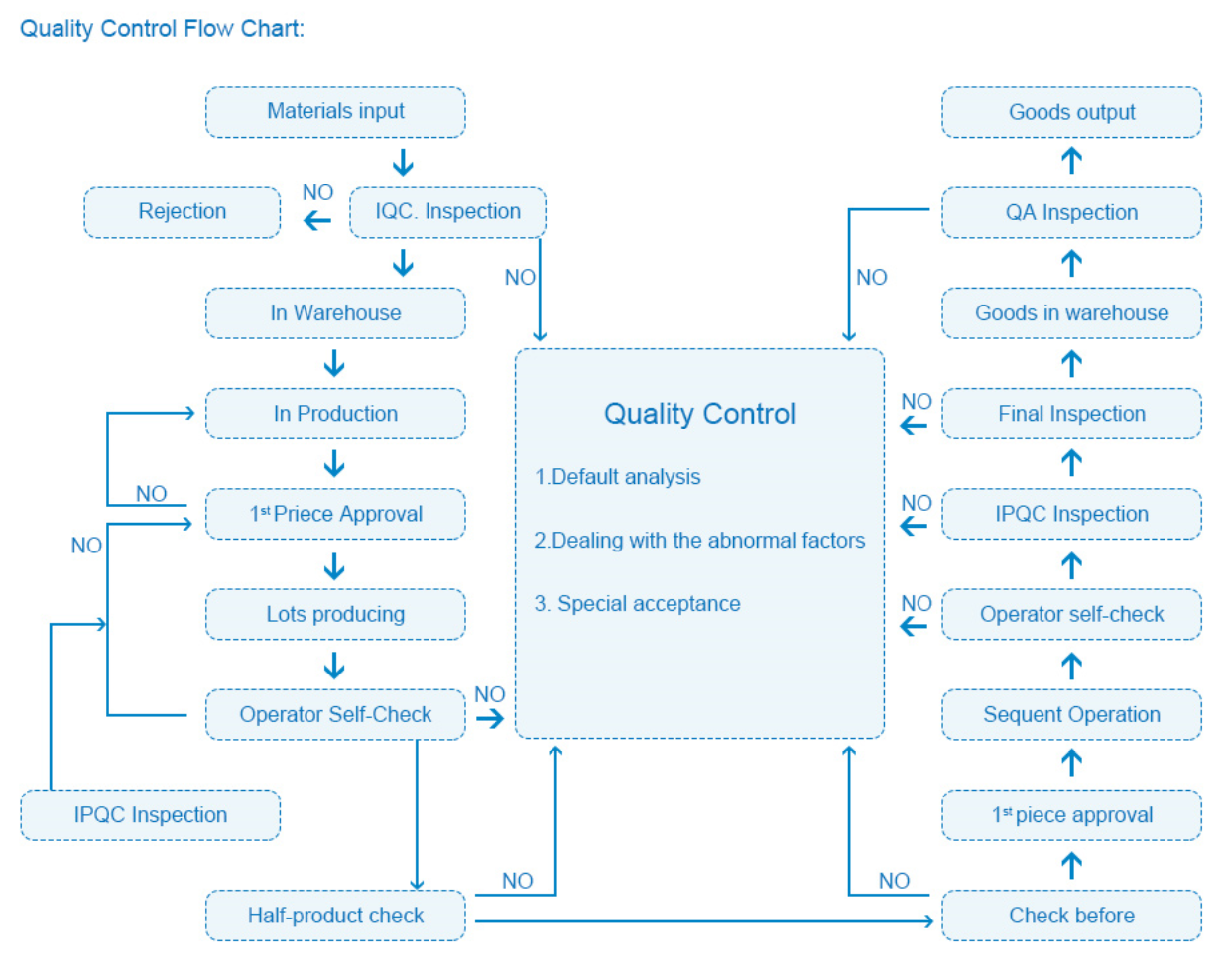
There are at least five steps quality control reflected in R&D process, incoming control process, production process, prior-shipment control and after-sales service process.
FAQ
Q:
How long does it take to charge a drone battery?
A:
The time required to charge a drone battery depends on several factors, including the battery's capacity, the charger's output power, and the battery's current charge level.
For example, a battery with a capacity of around 1000mAh may take approximately 30 to 60 minutes to fully charge using a standard charger. However, larger batteries with capacities of 5000mAh or more may require several hours to charge completely.
Some drone batteries are equipped with fast chargers, which can significantly reduce charging time. These chargers can recharge the battery in as little as 15 to 30 minutes, though frequent use of fast charging may shorten the battery's overall lifespan.
Q:
How can I tell when my drone battery is running low?
A:
Most drones are equipped with a low-battery warning system to alert you when the battery power is low. This warning may be displayed in the following forms:
● Visual Indicators: The drone's lights may start flashing or change color to indicate low battery.
● Audible Alerts: Some drones emit a beeping sound or other audible alarms to signal low battery power.
This is safety measurement to prevent the drone from crashing due to a depleted battery.
Q:
How long would a drone battery last?
A:
The lifespan of a drone battery can vary depending on several factors, including maintenance, frequency of use, as well as charging and storage practices. Generally speaking, a well-maintained drone battery can be recharged for 100 to 300 cycles. With proper care, some batteries may even last longer. Following the manufacturer’s guidelines for charging, storing, and using the battery is key to extending its service life.
Q:
Can I use any charger to charge my drone battery?
A:
It is important to use a charger specifically designed for your drone battery to avoid damaging the battery or the drone. Using the wrong charger may lead to overcharging, undercharging, or other issues that could shorten the battery's lifespan or cause a battery failure. Always use the charger that came with the drone or a compatible charger recommended by the manufacturer.
Q:
How should we store drone batteries?
A:
To store your drone battery properly, follow these guidelines:
Storage voltage: Store the battery at around 3.7V per cell, which is the optimal storage voltage for most lithium polymer batteries(Lipo batteries). Most LiPo battery chargers have a storage mode that can discharge or charge the battery to this level.
Temperature: Store your batteries in a cool, dry place away from direct sunlight and extreme temperatures. High temperatures can accelerate battery aging.
Avoid Full Discharge: Avoid storing your batteries fully charged or fully discharged for extended periods. This can reduce the battery's lifespan.
Regular Checks: Periodically check the voltage of your stored batteries and recharge them if they drop below the recommended storage voltage.
Storage Bag: Consider storing your batteries in a fireproof LiPo battery bag or container to contain any potential fires in case of a battery failure.
As a global leader in lithium battery manufacturing, SUJOR offers professional customized and standard drone batteries to meet various drone applications, such as FPV and commercial drones. If you have any questions or needs, please feel free to contact us at info@sujorbattery.net.
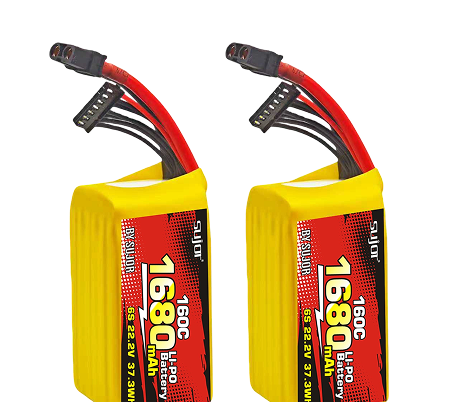
SUJOR aims to provide customers tailored lithium ion battery packs. We could not only provide customers with customized services for individual components such as battery cell, BMS and battery structure, but also offer optimal battery integrated solutions (cell+BMS+structure) based on customer’s detailed requirement.