UAV Battery
SUJOR is committed to delivering high-performance, cost-effective UAV battery solutions.
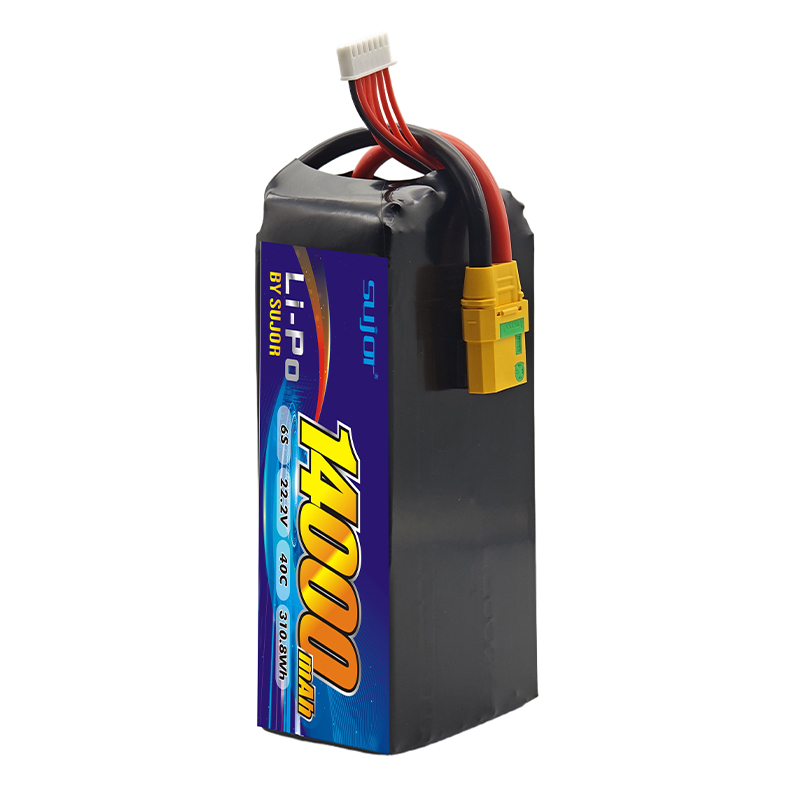
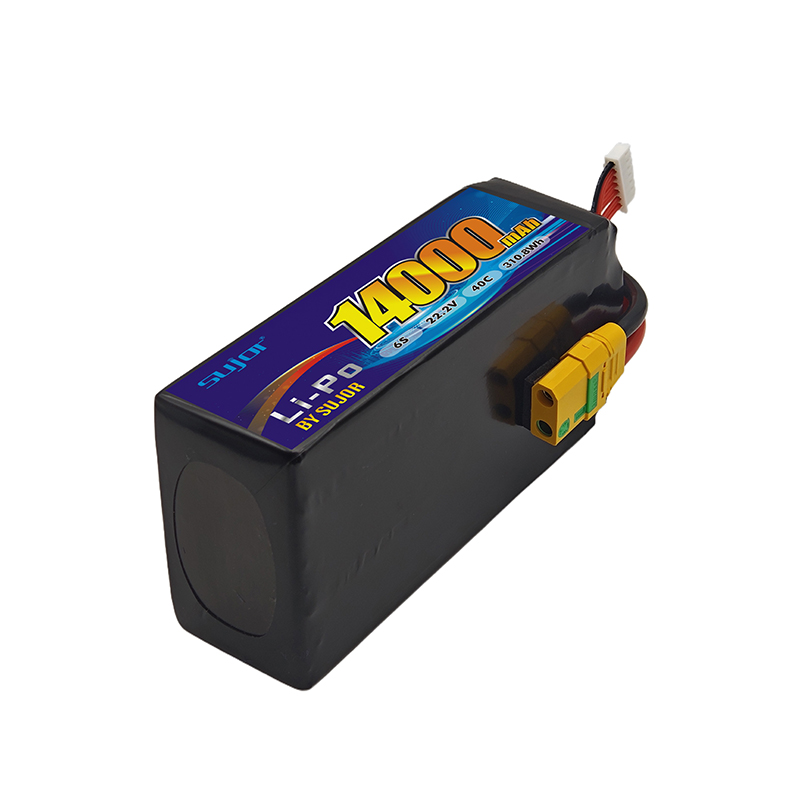
Product Introduction:
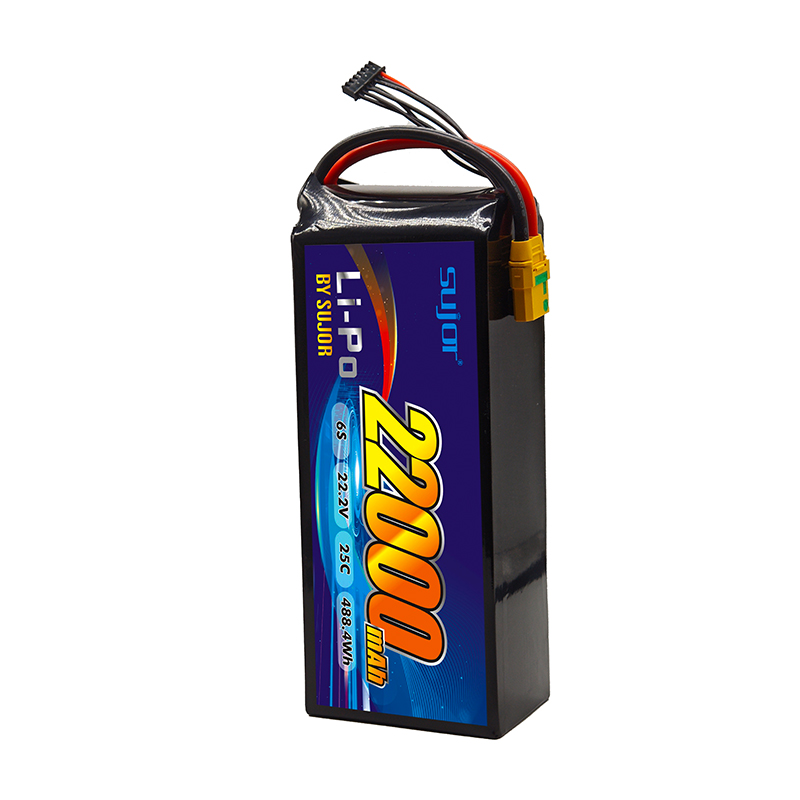
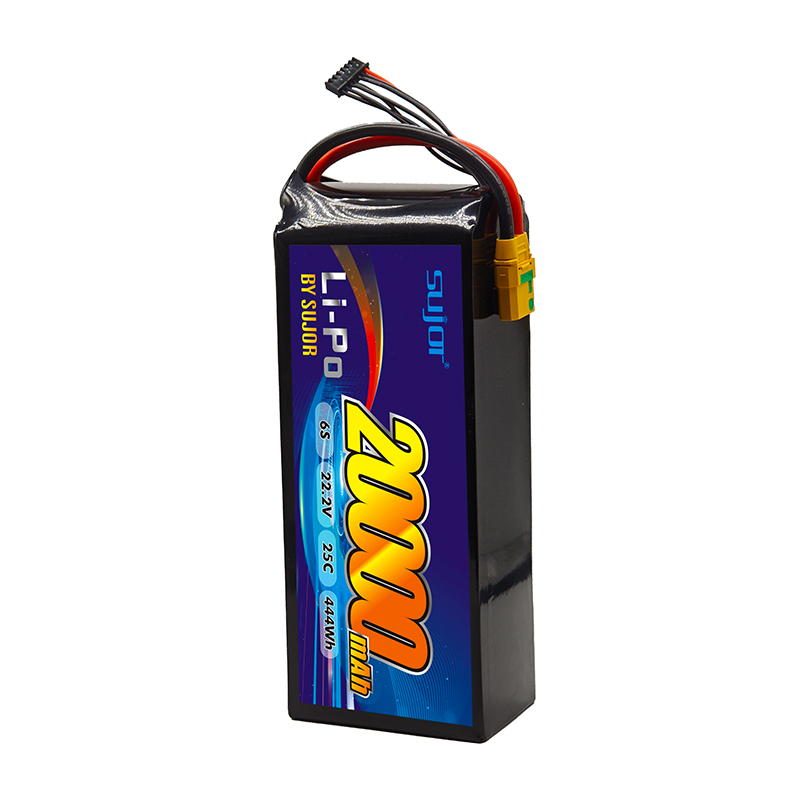
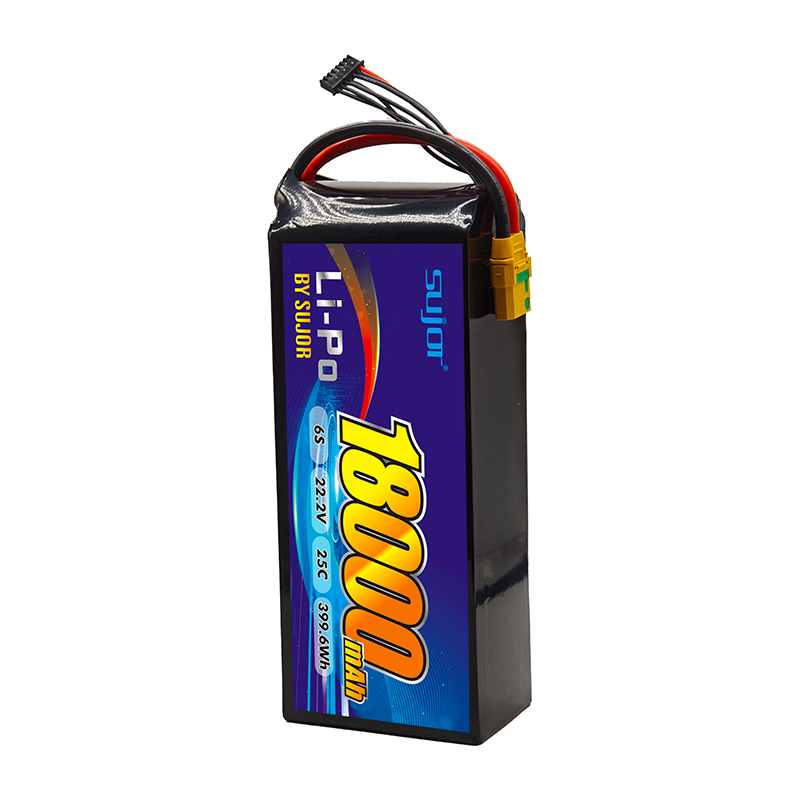
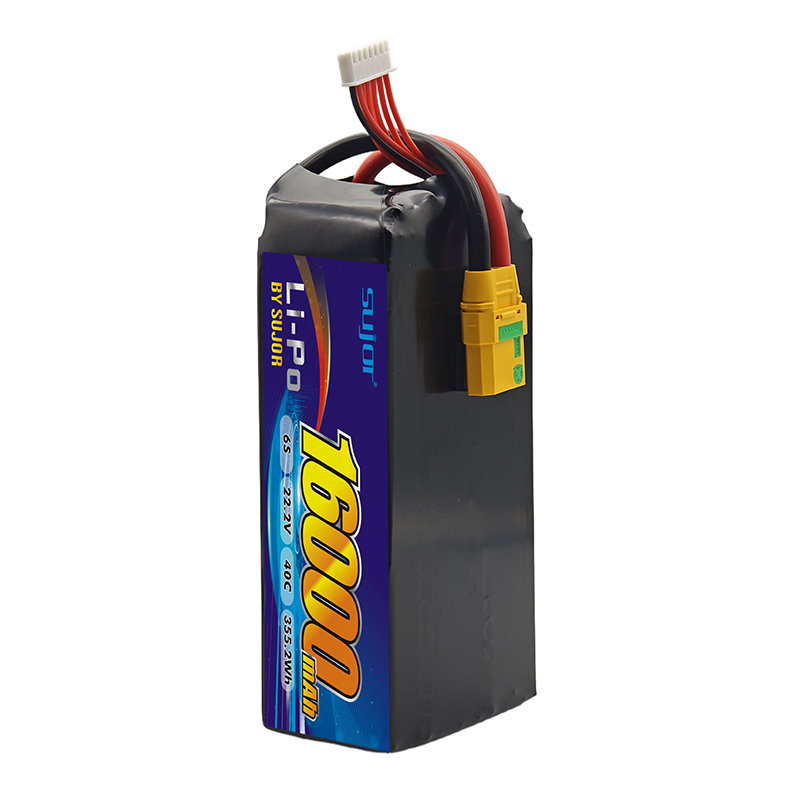
SUJOR lipo battery pack is widely used for UAV and UAS market. Our 22.2V 6s1p 14000mAh UAV UAS battery has light weight and big capacity, which assure customers more flight time, more satisfaction and more enjoyment. Our tailored solution meets the high requirements of cutting-edge Unmanned Aircraft Vehicles. High quality LiCoO2 instead of NMC material are used to make sure the battery has excellent performance from security mission to precise survey and captivating aerial filming. It is compatible with leading UAV drones including Cinestar, Droidworx, ect.
Share
Basic Specification
|
Item |
Rating |
Remark |
|
Model |
SUJOR-22.2V 6s1p 14000mAh 40C |
61*80*185mm(H*W*L) |
|
Nominal capacity |
14000mAh |
Standard discharge(1C5A) after Standard charge |
|
Nominal voltage |
22.2V |
|
|
Cut-off charge voltage |
25.2V |
|
|
Cut-off discharge voltage |
18.0V |
|
|
Configuration |
6s1p |
|
|
Weight |
Approx: 1810g |
|
|
Anode material |
LiCoO2 |
|
|
Standard charge |
0.2C CC(constant current) charge to 25.2V,then CV(constant voltage 25.2V)till current decline to ≤0.01C |
Charge Time : Approx 7.0h |
|
Max. constant charging current |
14000mA(1C) |
|
|
Standard discharge |
Discharge at 1C5A to 18.0V |
|
|
Max. continuous discharging current |
560A(40.0C) |
|
|
Operating temperature |
Charge 0~+45ºC |
|
|
Discharge -20~+60ºC |
|
|
|
Storage temperature |
-10~+55ºC≤1 month |
|
|
-10~+45ºC≤3months |
|
|
|
-10~+25ºC≤12months |
|
|
|
Storage humidity |
45-75%RH |
|
|
Charge Connector |
White JST-XH 7P |
|
|
Discharge Connector |
Yellow XT90S |
|
Key Features
Explosion-Proof Spark Prevention
Large capacity, suitable for long-range flights with stable performance
Stable Automatic Stacking Technology
High discharge rate and excellent compatibility
High energy density, tailored for various types of drones
Top-quality and safe SUJOR Series batteries pass rigorous testing
7*24-hour after-sales service
Main Application
Agriculture spraying drone
Land surveying drones
Police drones
eVTOL
Delivery drone
Inspection drone
Photography drones
Construction drone
Mining drones
Fire-fighting drone
Fixed wing UAV
Small Agricultural Drones
Light Multirotor Platforms
RC Toy Drones
Hybrid Spraying and Aerial Photography Drones
Teaching/training drones
Production Process
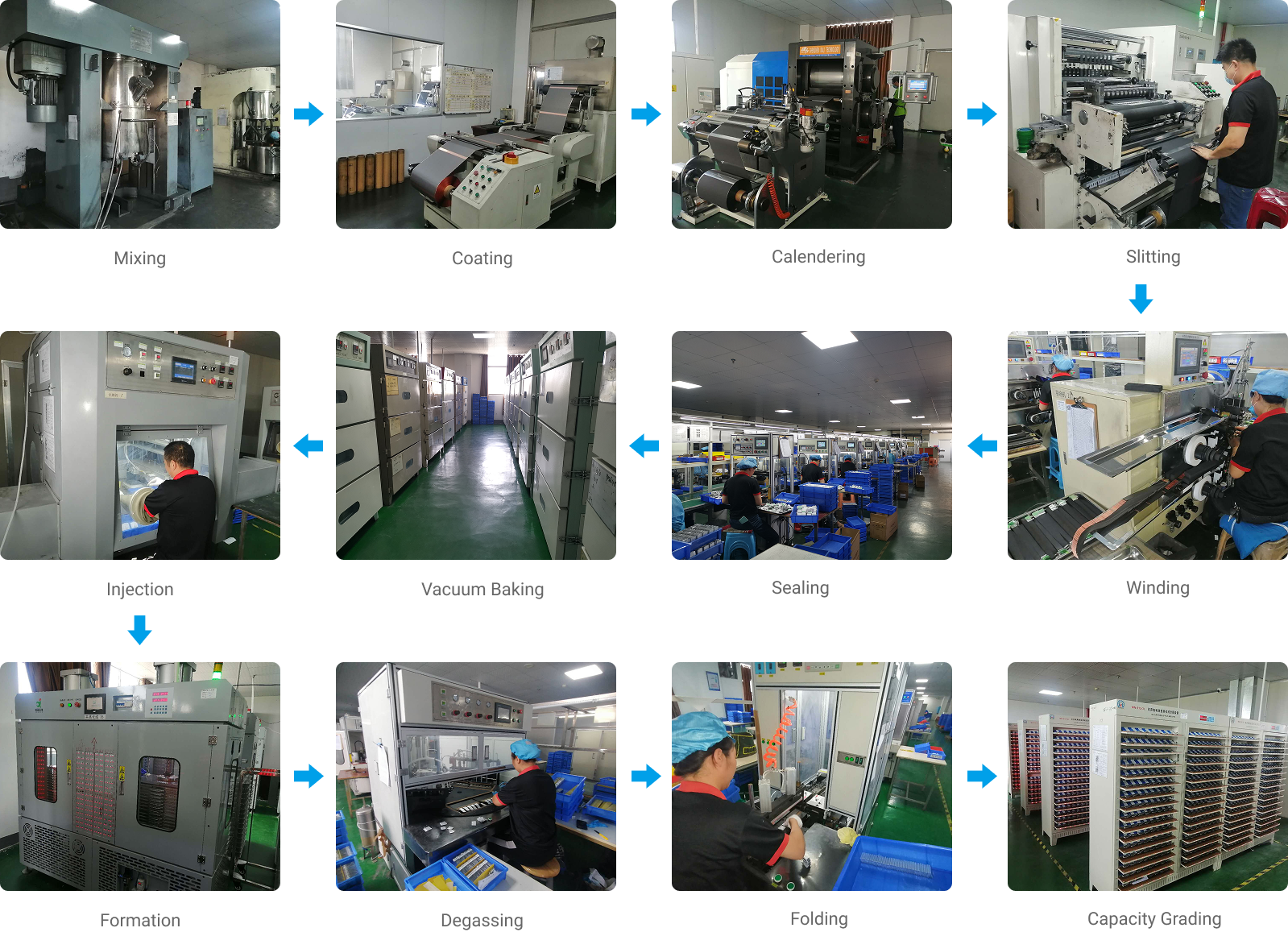
We have our own cell and PACK manufacturing facilities, with over 500 skilled workers and 25 lean production lines. Currently, the daily output of lithium batteries exceeds 600,000 Ah, and we are continuously working to expand our production lines to meet the growing demands of our customers.
FAQ
Q:
Why does a drone battery sometimes drain very quickly?
A:
A drone may deplete its battery quickly due to the following factors:
● High Power Consumption: Drones require significant power to stay airborne, especially when carrying heavy payloads or flying in windy conditions. This high power demand leads to faster battery drain.
● Small Battery Size: Consumer drones are typically designed to be lightweight and portable, which often means their batteries are smaller with limited capacity. This smaller battery size contributes to shorter flight times.
● Flight Conditions: Flying in windy conditions or at high speeds increases the drone's power consumption, accelerating battery depletion.
● Hovering: Maintaining a stationary hover requires the drone to use constant power to stay aloft, which can drain the battery more rapidly than flying in a straight line.
● Battery Aging or Degradation: Over time, drone batteries can degrade and lose capacity, resulting in shorter flight durations.
Q:
How can I tell when my drone battery is running low?
A:
Most drones are equipped with a low-battery warning system to alert you when the battery power is low. This warning may be displayed in the following forms:
● Visual Indicators: The drone's lights may start flashing or change color to indicate low battery.
● Audible Alerts: Some drones emit a beeping sound or other audible alarms to signal low battery power.
This is safety measurement to prevent the drone from crashing due to a depleted battery.
Q:
How to charge drone battery correctly?
A:
Remove the battery: Remove the battery from the drone before charging.
Use the correct charger: Use the charger that came with the drone or a compatible charger recommended by the manufacturer.
Connect the battery: Connect the battery to the charger. Make sure the polarity is correct.
Plug in the charger: Plug the charger into a power outlet. Some chargers may have indicator lights showing when the battery is charging and when it is fully charged.
Monitor the charging process: Keep an eye on the battery while it charges. If you notice any unusual heating or swelling, stop charging immediately and disconnect the battery.
Charge to full capacity: Allow the battery to charge completely. The charger or battery may indicate when it is fully charged.
Disconnect and store safely: Once the battery is fully charged, disconnect it from the charger following the manufacturer’s instructions and store it safely as recommended.
Q:
Can I use any charger to charge my drone battery?
A:
It is important to use a charger specifically designed for your drone battery to avoid damaging the battery or the drone. Using the wrong charger may lead to overcharging, undercharging, or other issues that could shorten the battery's lifespan or cause a battery failure. Always use the charger that came with the drone or a compatible charger recommended by the manufacturer.
Q:
How should we store drone batteries?
A:
To store your drone battery properly, follow these guidelines:
Storage voltage: Store the battery at around 3.7V per cell, which is the optimal storage voltage for most lithium polymer batteries(Lipo batteries). Most LiPo battery chargers have a storage mode that can discharge or charge the battery to this level.
Temperature: Store your batteries in a cool, dry place away from direct sunlight and extreme temperatures. High temperatures can accelerate battery aging.
Avoid Full Discharge: Avoid storing your batteries fully charged or fully discharged for extended periods. This can reduce the battery's lifespan.
Regular Checks: Periodically check the voltage of your stored batteries and recharge them if they drop below the recommended storage voltage.
Storage Bag: Consider storing your batteries in a fireproof LiPo battery bag or container to contain any potential fires in case of a battery failure.
As a global leader in lithium battery manufacturing, SUJOR offers professional customized and standard drone batteries to meet various drone applications, such as FPV and commercial drones. If you have any questions or needs, please feel free to contact us at info@sujorbattery.net.
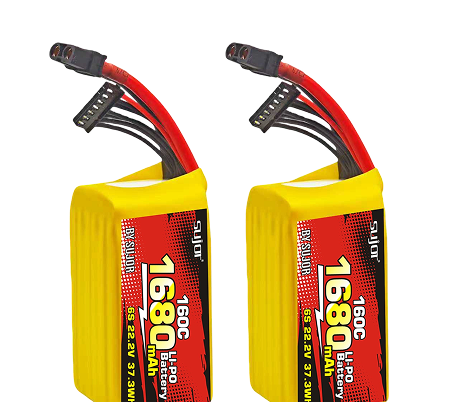
SUJOR aims to provide customers tailored lithium ion battery packs. We could not only provide customers with customized services for individual components such as battery cell, BMS and battery structure, but also offer optimal battery integrated solutions (cell+BMS+structure) based on customer’s detailed requirement.