News
Apr. 10, 2026
Share:
In a world where technology is often locked within proprietary systems, a vibrant movement is rising. Open-source drones are democratizing the skies, redefining what's possible with UAVs through customization, transparency, and community-driven innovation. But what exactly makes a drone "open-source"? Let's dive into the hardware, software, and philosophy behind this revolution.
What are the Open-source Drones?
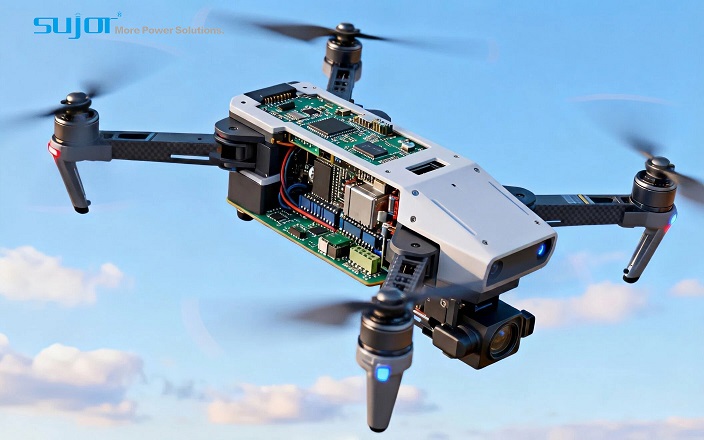
An open-source drone is an unmanned aerial vehicle whose core software, hardware designs, or both, are publicly released under a license that grants anyone the freedom to use, study, modify, and distribute the designs and source code.
This stands in direct contrast to proprietary/commercial drones (e.g., from DJI, Skydio), where the software and hardware are closed intellectual property of the company.
What are the Key Difference between Open-Source vs Proprietary Drones?
|
Dimension |
Open-Source Drone (e.g., based on PX4/ArduPilot) |
Proprietary/Commercial Drone (e.g., DJI Mavic/Matrice) |
|
Development Model |
Community-driven & Transparent. Global developers collaboratively improve the code and designs. |
Company-driven & Closed. Technology is developed internally and kept secret. |
|
Customization |
Extremely High. Users can modify flight control algorithms, replace any hardware component, and integrate custom payloads (specialized sensors, actuators). |
Limited. Users operate within the manufacturer's predefined firmware and hardware ecosystem. Upgrades are vendor-dependent. |
|
Cost Structure |
Variable. Can be lower for basic setups using self-assembled parts, but advanced customization and professional support incur costs. |
Fixed. Price includes hardware, software, warranty, and official support in a ready-to-fly package. |
|
Target Users |
Researchers, developers, educators, advanced hobbyists, and industries requiring tailored solutions. |
Mainstream consumers, professional photographers/videographers, enterprises needing turnkey solutions. |
|
Support |
Community-based (forums, wikis, GitHub discussions). No formal service-level agreement (SLA). |
Official professional support from the manufacturer, including manuals, customer service, and warranty repair. |
What are the Core Components of the Open-Source Ecosystem?
1.Open-Source Autopilot Software (The "Brain"):
oPX4 Autopilot: A highly modular and flexible platform, preferred for academic research, commercial development, and complex system integration.
oArduPilot: A mature, feature-rich platform supporting almost all vehicle types (multicopters, fixed-wing, rovers, boats). Widely used in agriculture and mapping.
oBetaflight / iNav: Specialized for FPV (First-Person View) racing and freestyle drones, optimized for ultra-low latency and manual pilot performance.
oPaparazzi UAV: An established project known for strong autonomous mission capabilities and multi-vehicle coordination.
2.Open-Source Hardware:
oPixhawk Standard: The dominant open hardware standard for flight controller designs. Many manufacturers produce compatible hardware.
oOpen-Source Frames: The physical airframe's CAD files are publicly available, allowing for custom fabrication or modification to suit specific payloads.
3.Supporting Software & Tools:
oGround Control Stations (GCS): Software like QGroundControl or Mission Planner for mission planning, real-time telemetry, and parameter tuning.
oSimulation: Tools like AirSim (Microsoft) or Gazebo with ROS integration allow for safe algorithm testing in photorealistic virtual environments.
oCompanion Computers: Often, a companion computer (like a Raspberry Pi running ROS) is added for high-level autonomy, computer vision, and AI tasks.
What are the Primary Applications & Use Cases?
Open-source drones are fundamental to innovation, education, and customized professional applications:
Academic & Cutting-Edge Research: Platforms like the Agilicious system from ETH Zurich are used for pioneering research in vision-based autonomous navigation, agile flight, and swarm robotics.
Education & Low-Cost Research: Projects like LiSA UAV aim to provide capable, sub-$300 platforms for students and researchers to study autonomy and AI perception.
Custom Industry Solutions: In fields like precision agriculture, scientific surveying, or infrastructure inspection, open-source drones can be tailored to carry unique, non-standard sensors (e.g., hyperspectral cameras, methane detectors) that commercial off-the-shelf drones do not support.
Conclusion
In essence, an open-source drone is a modular, programmable, and transparent platform—analogous to a set of high-tech "building blocks." Its greatest value lies in extreme customizability, community-driven innovation, and its role as an enabling technology for the future of autonomous systems.
Related Products
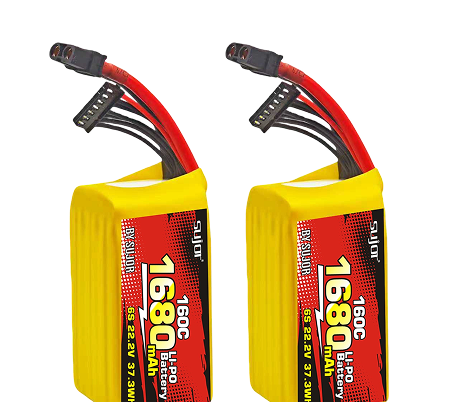
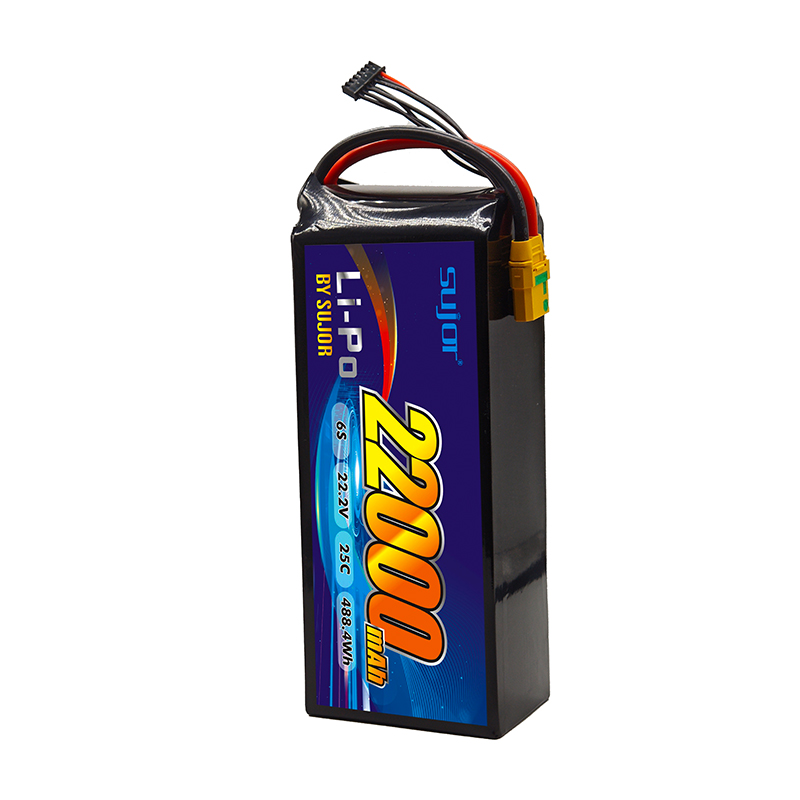
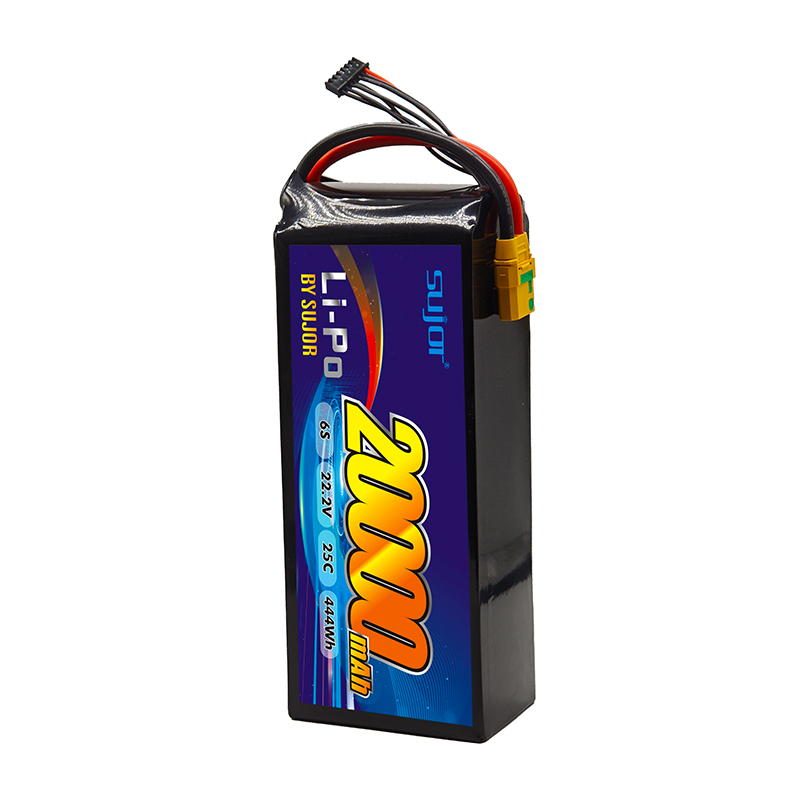
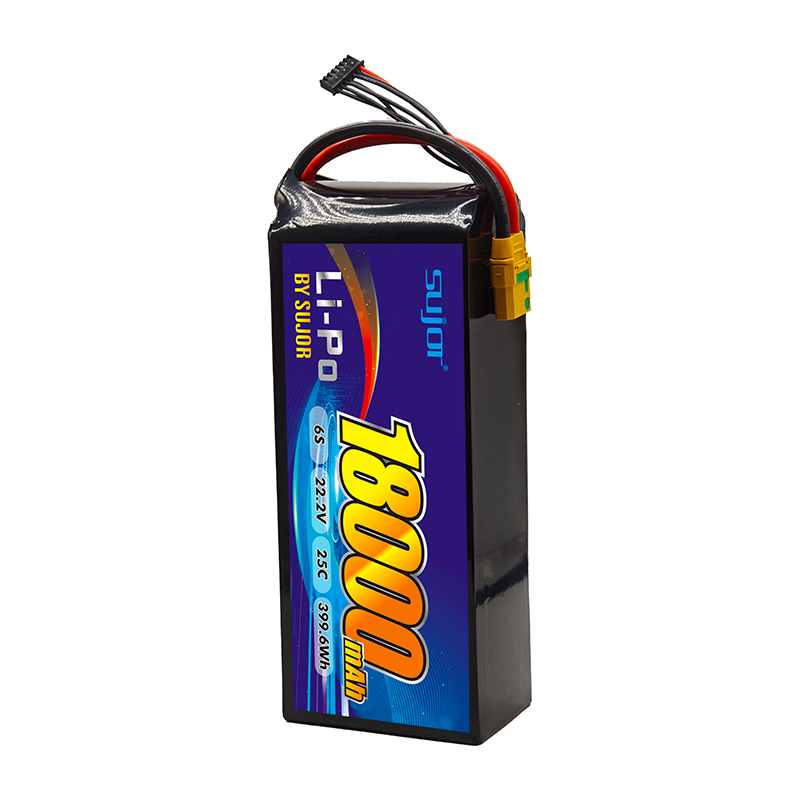
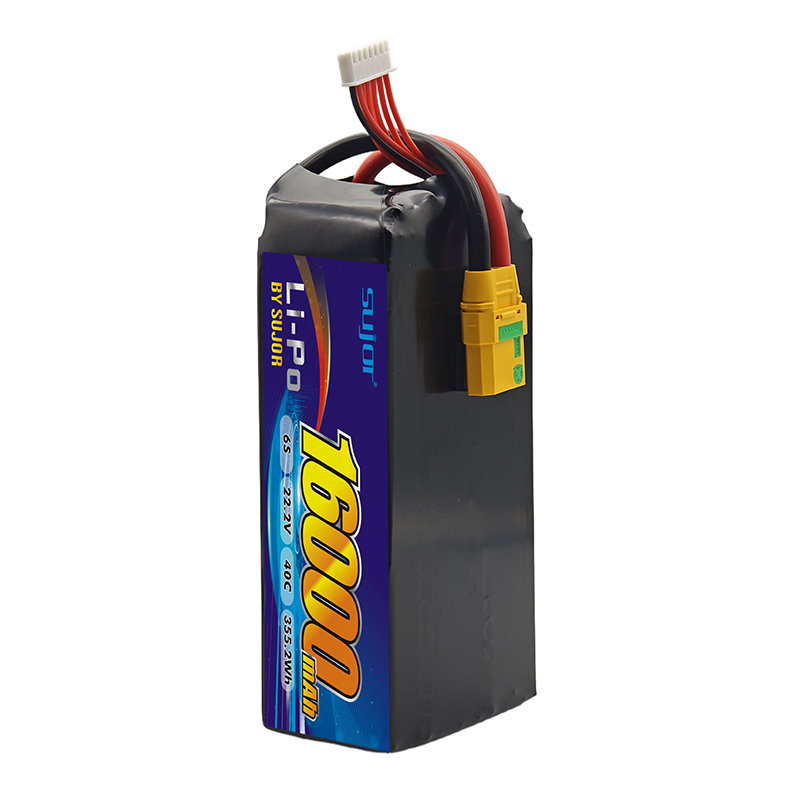
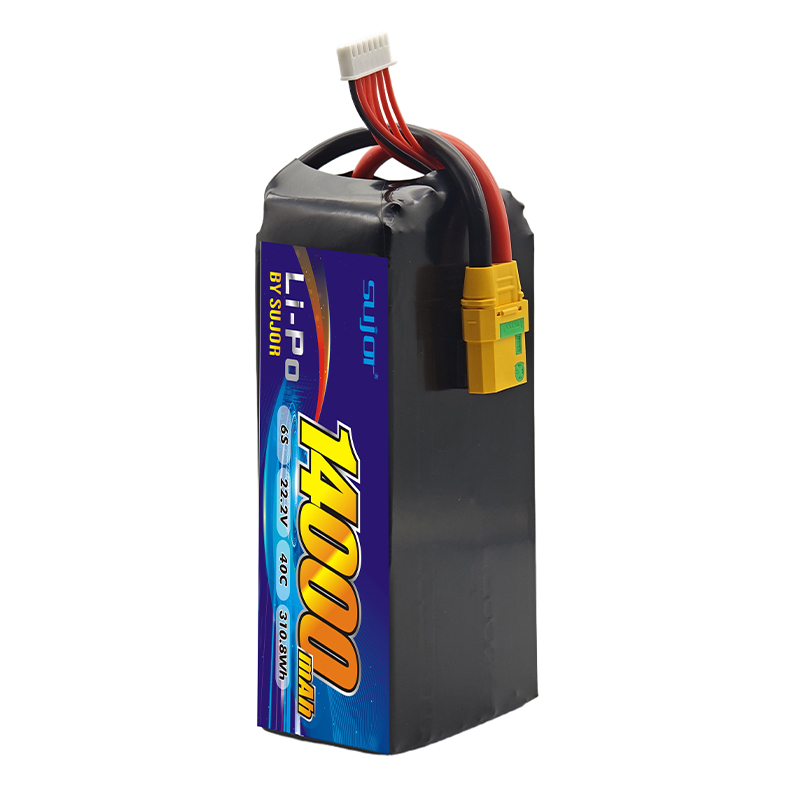
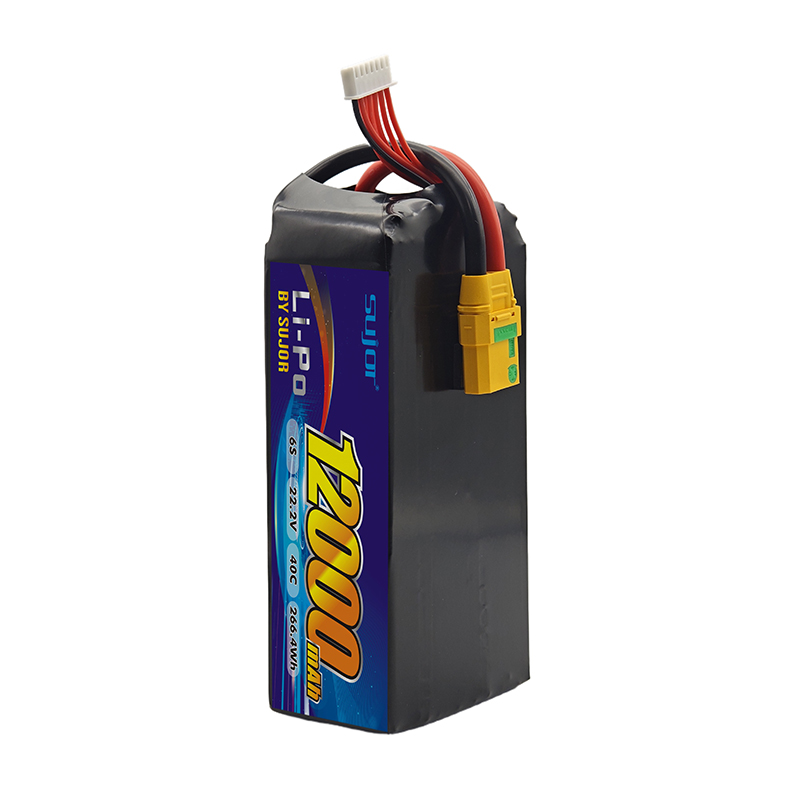
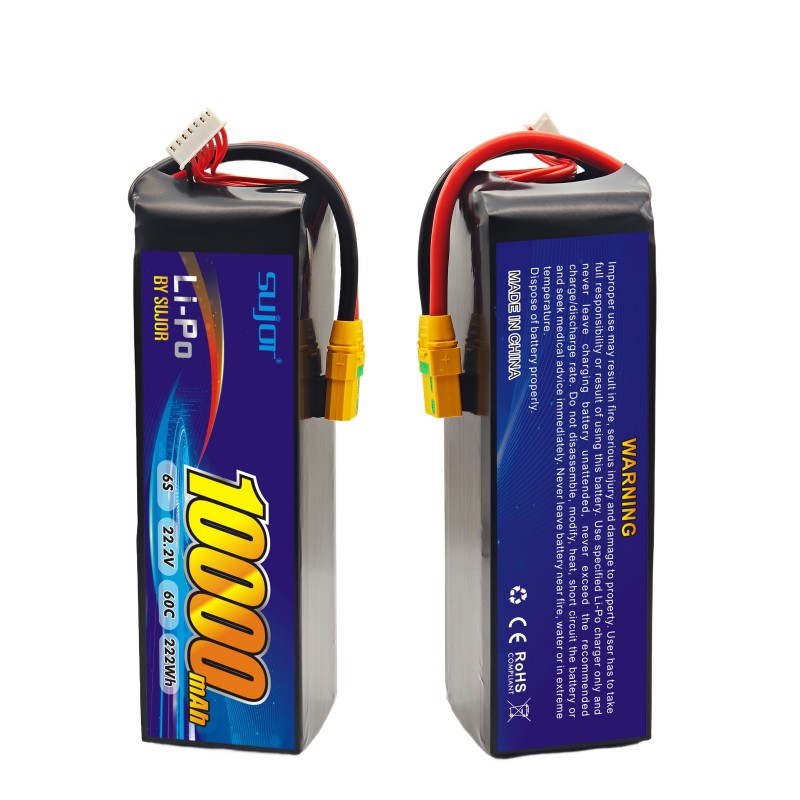
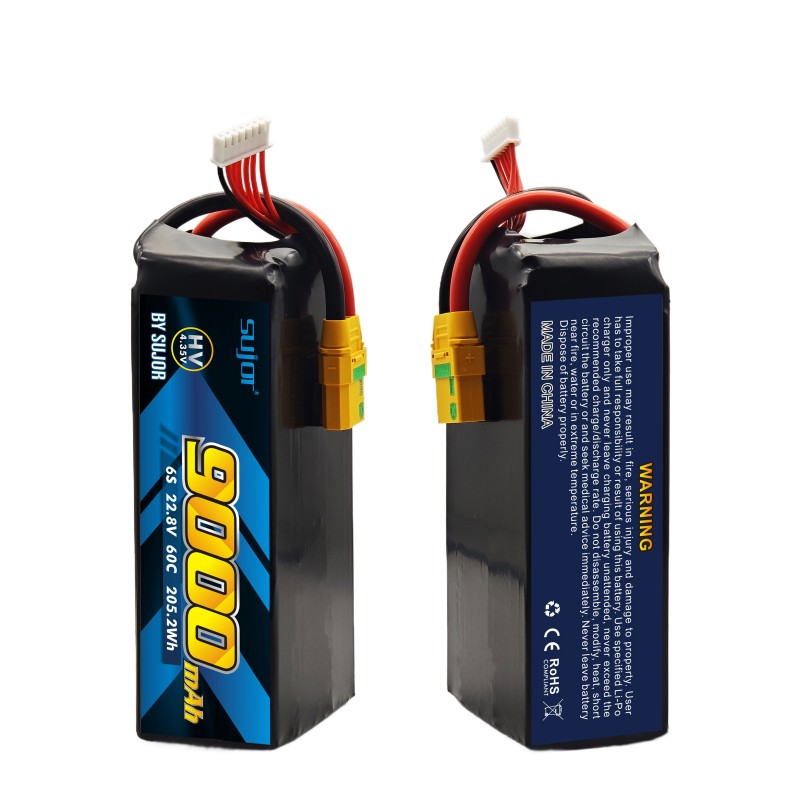
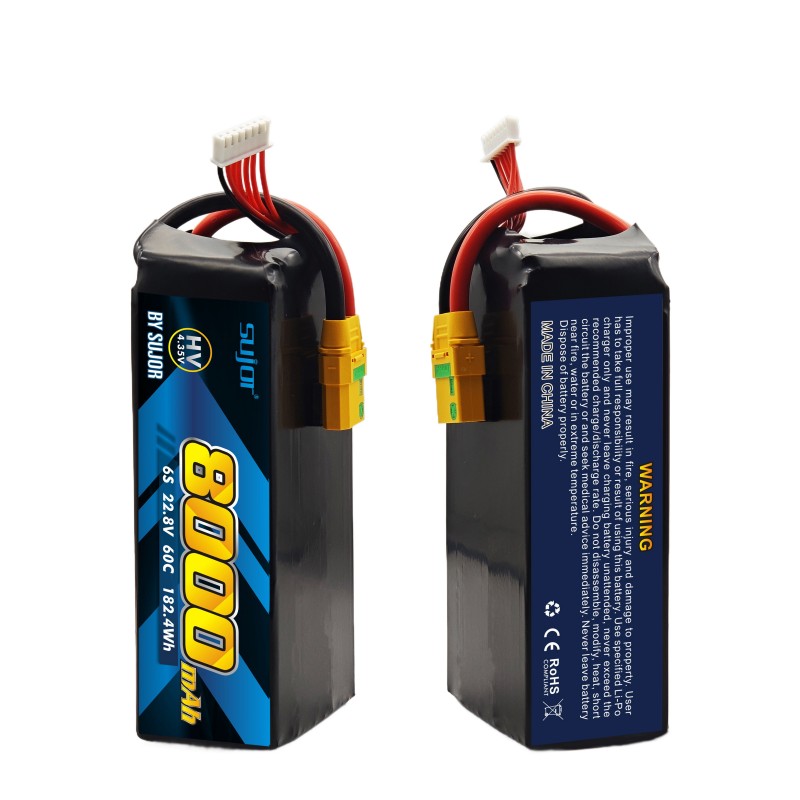
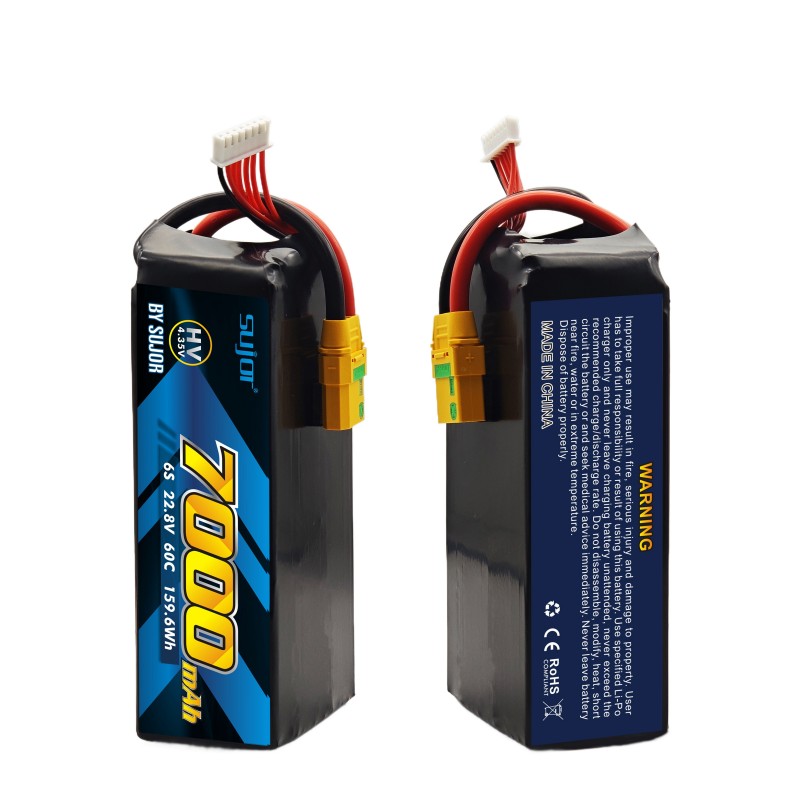
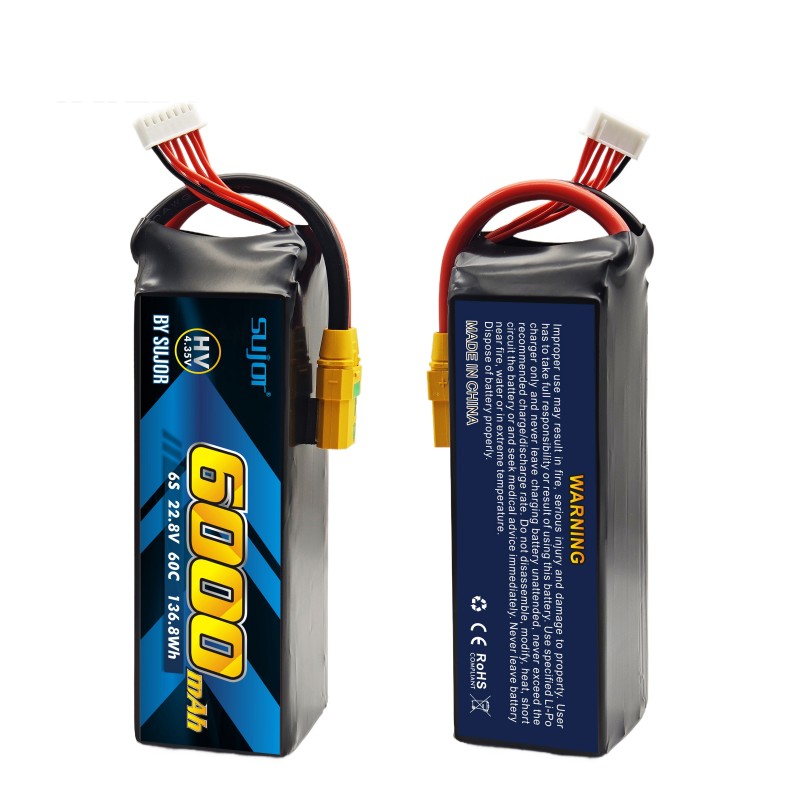
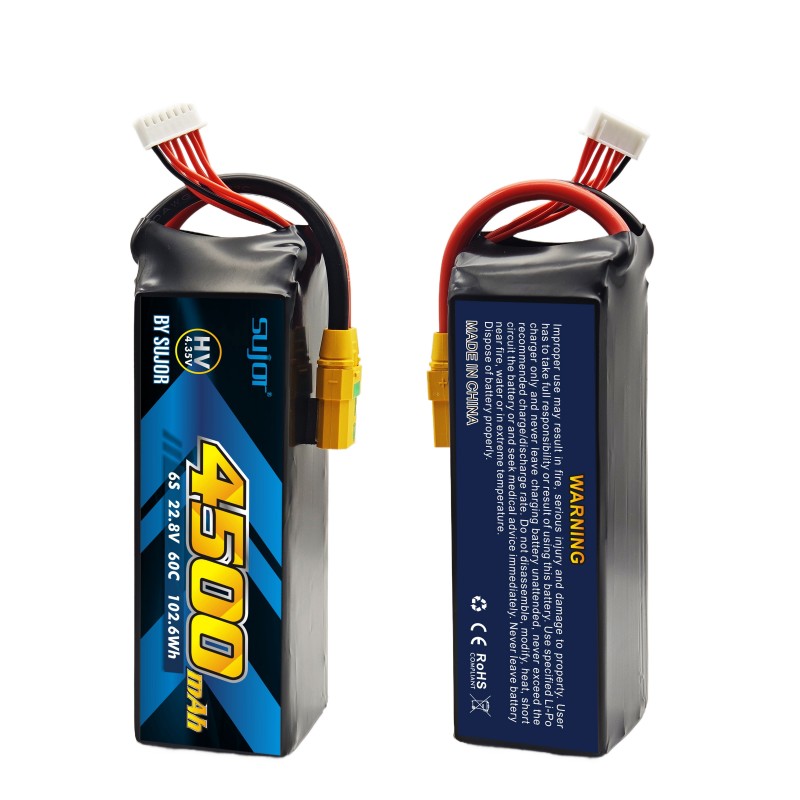
SUJOR aims to provide customers tailored lithium ion battery packs. We could not only provide customers with customized services for individual components such as battery cell, BMS and battery structure, but also offer optimal battery integrated solutions (cell+BMS+structure) based on customer’s detailed requirement.