News
Apr. 10, 2026
Share:
Lithium-ion (Li-ion) and Lithium Polymer (LiPo) batteries are subject to a wide range of international certifications, primarily focused on ensuring transportation safety, intrinsic product safety, environmental compliance, and market access.
Here is a breakdown of the key certifications required for these batteries, categorized by their purpose:
📦 Transportation Safety Certifications
Before batteries can be shipped by air, sea, or land, they must prove they can withstand the rigors of transport without incident.
|
Certification |
Scope |
Key Requirements |
|
UN 38.3 |
Mandatory for all lithium batteries transported internationally. |
Batteries must pass 8 tests, including altitude simulation, thermal cycling, vibration, shock, external short circuit, and crush. |
|
MSDS / SDS |
Required for shipping and handling documentation. |
A document detailing the battery's chemical properties, hazards, and emergency response procedures. |
🔒 Safety & Performance Certifications
These certifications verify that the battery design is safe for use and can withstand electrical, mechanical, and thermal abuse.
|
Certification |
Scope |
Key Requirements |
|
IEC 62133 / UL 62133 |
Global safety standard for portable secondary lithium cells and batteries. |
Testing for short circuits, overcharging, vibration, temperature cycles, and crush conditions. |
|
UL 1642 |
US standard specifically for lithium battery cells (the basic safety unit). |
Tests on individual cells for conditions like abnormal charging, forced discharge, and crush resistance. |
|
UL 2054 |
US standard for lithium battery packs (multiple cells with protection circuits). |
Focuses on pack-level safety, including circuit protection and overall structural safety. |
|
CB Certification |
An international mutual recognition system based on IEC standards. |
A single test report can be used to gain national certifications in over 50 countries, reducing duplicate testing. |
🌱 Environmental & Quality Certifications
These certifications focus on manufacturing processes, material restrictions, and corporate responsibility.
|
Certification |
Scope |
Key Requirements |
|
RoHS |
Restricts the use of hazardous substances (lead, mercury, cadmium, etc.) in products sold in the EU. |
Ensures products are free from specified toxic materials to minimize environmental harm. |
|
REACH |
EU regulation concerning the registration, evaluation, and authorization of chemicals. |
Requires manufacturers to identify and manage risks linked to substances used in their products. |
|
ISO 9001 |
A global standard for Quality Management Systems (QMS). |
Certifies that a manufacturer has a consistent process for design, development, and production to ensure quality. |
|
ISO 14001 |
A global standard for Environmental Management Systems. |
Certifies a company's commitment to reducing its environmental footprint through better management of resources and waste. |
🌍 Market Access Certifications
Many countries require specific national marks before a battery can be legally sold within their borders.
|
Certification |
Region |
Remarks |
|
CE |
European Union |
Indicates conformity with EU safety, health, and environmental requirements. Mandatory for many products. |
|
FCC |
United States |
Required for batteries that are part of devices with wireless functions (due to electromagnetic compatibility). |
|
PSE |
Japan |
Mandatory safety certification for lithium batteries classified as "Specified Electrical Products". |
|
KC |
South Korea |
A national certification mark that confirms compliance with Korean safety standards. |
|
BIS (IS 16046) |
India |
Compulsory registration for imported lithium-ion cells and batteries based on the IEC 62133 standard. |
|
CCC |
China |
Recently mandated for lithium-ion batteries and battery packs. Effective August 2024, it requires testing to the GB 31241 standard. |
conclusion
In summary, while UN 38.3 is the universal pass for shipping, IEC 62133 is the core standard for demonstrating basic safety. Your final destination market will then dictate which specific national mark (e.g., UL for the US, CE for Europe, PSE for Japan) you need to obtain.
Related Products
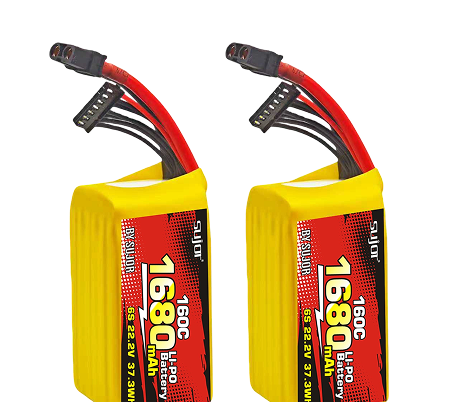
SUJOR aims to provide customers tailored lithium ion battery packs. We could not only provide customers with customized services for individual components such as battery cell, BMS and battery structure, but also offer optimal battery integrated solutions (cell+BMS+structure) based on customer’s detailed requirement.