News
Apr. 10, 2026
Share:
Hydrogen-powered UAVs and eVTOLs represent a significant leap in aerial technology, offering a solution to the primary limitation of current battery-powered aircraft: flight endurance. They work by using hydrogen, often in gaseous or liquid form, to generate electricity through a fuel cell, which then powers electric motors for propulsion. This approach combines the benefits of zero-emission flight with the potential for much longer ranges and quicker refueling.
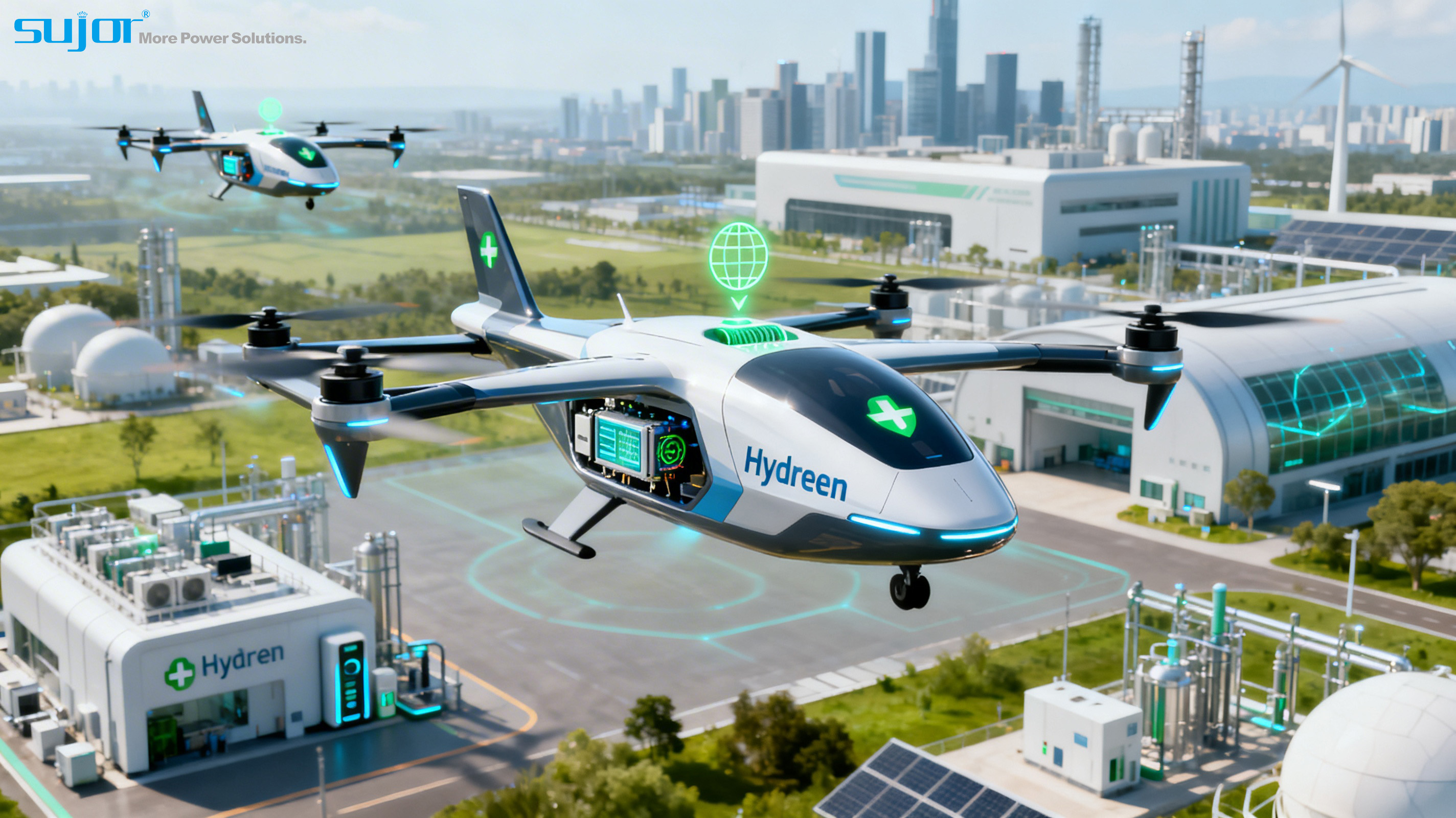
Here is a summary of the key characteristics that define these innovative aircraft.
|
Feature |
Hydrogen-Powered UAVs (Drones) |
Hydrogen-Powered eVTOLs (Air Taxis) |
|
Primary Goal |
Extend flight endurance for industrial, commercial, and defense missions. |
Enable zero-emission, long-range regional air mobility for passengers and cargo. |
|
How They Work |
Hydrogen (gas or liquid) feeds a fuel cell (mostly PEM type) to generate electricity, which powers the electric motor(s). A battery often provides peak power for takeoff/climb. |
Same core principle: Liquid hydrogen (LH₂) is often preferred for higher energy density. Fuel cells generate electricity for multiple rotors, with batteries providing supplemental power for vertical takeoff and landing. |
|
Key Advantage |
Flight times of 10+ hours and ranges over 4,000 km possible, far exceeding battery power. |
Demonstrated ranges over 800 km, enabling inter-city travel without airport congestion and with minimal emissions. |
|
Current State |
Increasingly used in combat and surveillance. Multiple successful test flights with both gaseous and liquid hydrogen systems. |
Successful long-distance demonstrator flights (e.g., Joby Aviation). Several companies are targeting commercial launch around 2025-2026. |
🔬 How Does Hydrogen Power Work in Aircraft?
The fundamental process is an elegant electrochemical conversion, most commonly using a Proton Exchange Membrane (PEM) fuel cell. Here is a simplified breakdown of the steps:
Hybrid Power Management: Many hydrogen-powered aircraft, especially eVTOLs, use a hybrid hydrogen-electric system. A small battery bank works in tandem with the fuel cell. The fuel cell provides steady, efficient power for cruising, while the battery handles peak power demands during vertical takeoff and landing, ensuring responsive performance.
🚀 Recent Advancements and Current Use
The technology is rapidly moving from laboratories to real-world applications.
National Research Programs: Countries like the Netherlands and South Africa are investing heavily. The Dutch aerospace center NLR successfully flew its liquid hydrogen-powered HYDRA II drone, marking a national first. South Africa's CSIR is developing a hydrogen-powered VTOL UAV as part of a roadmap towards a national hydrogen society
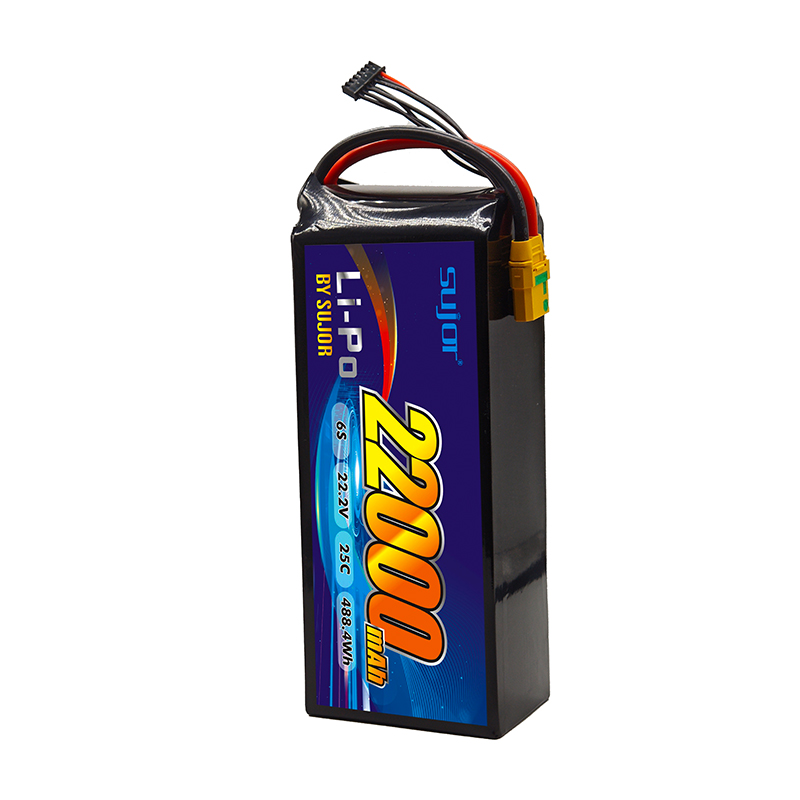
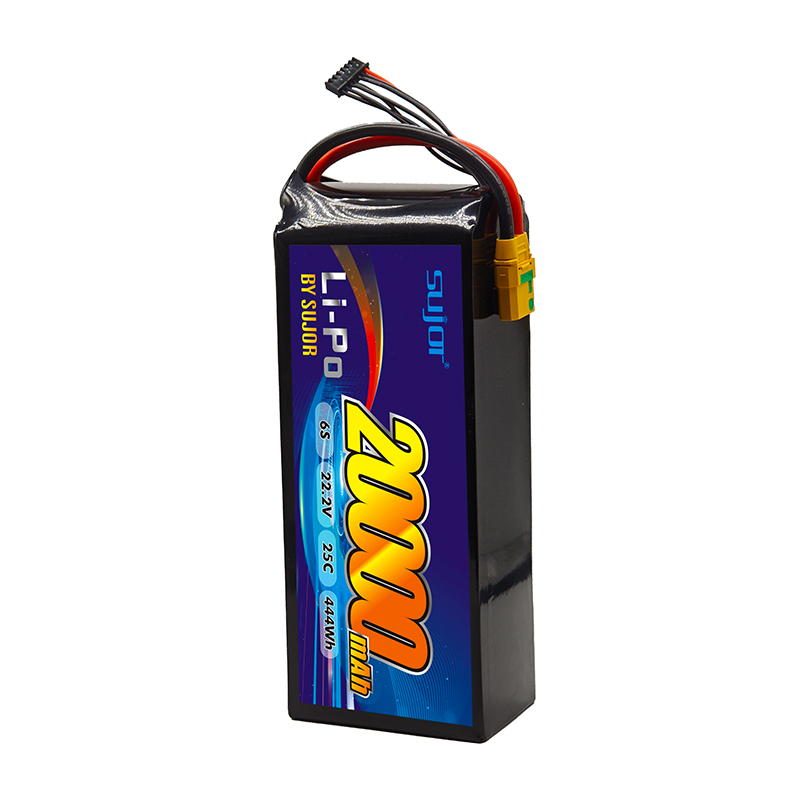
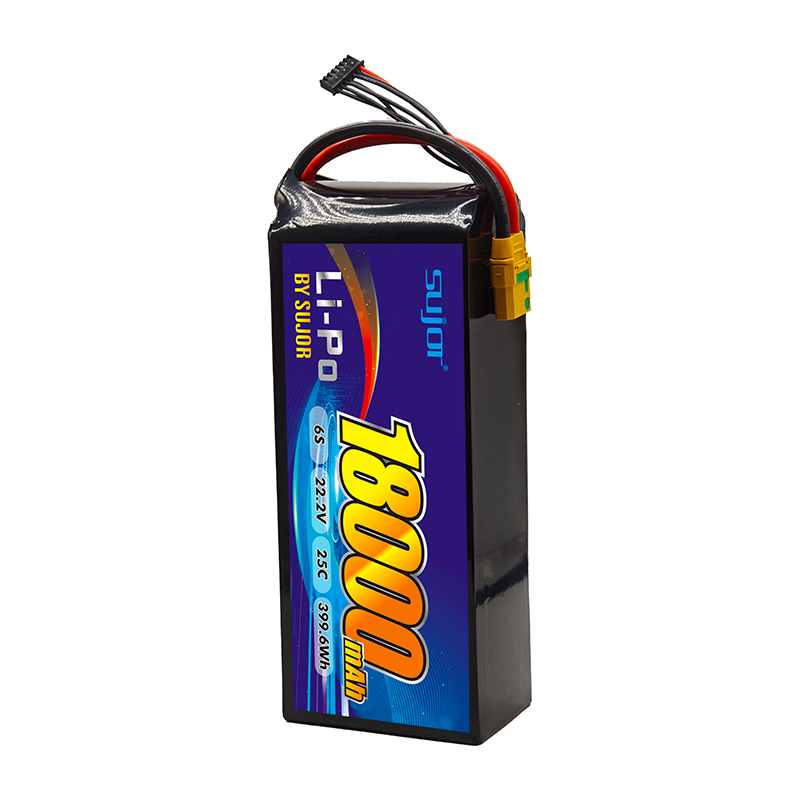
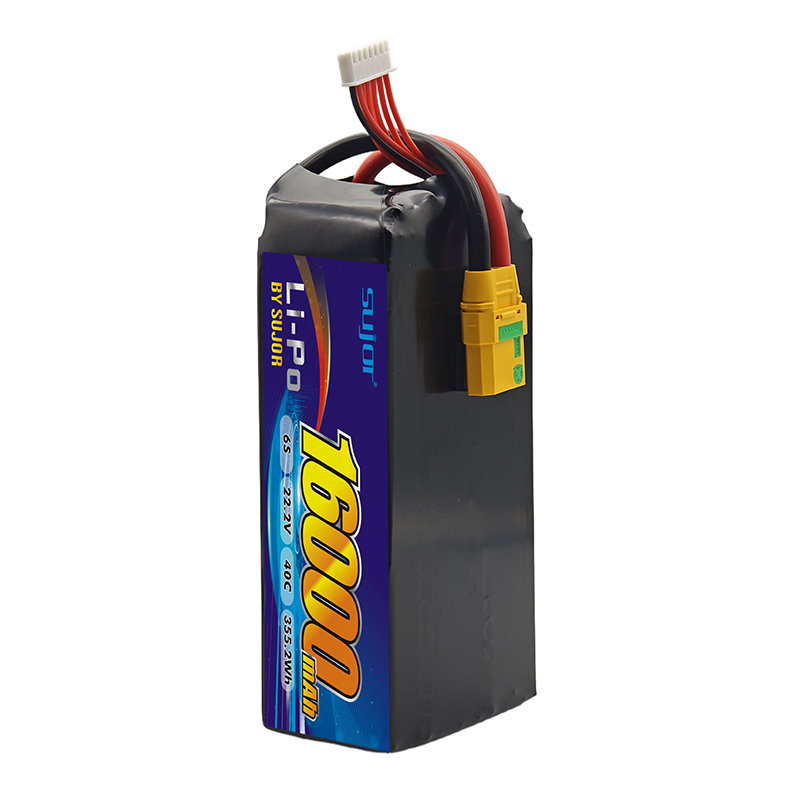
Related Products
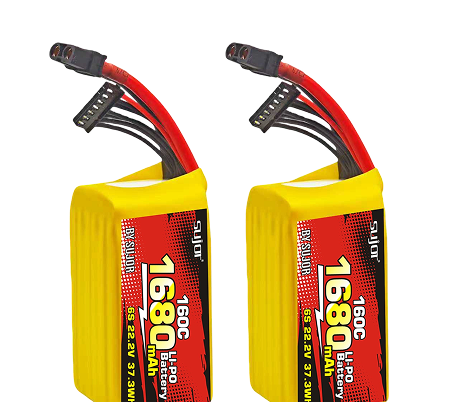
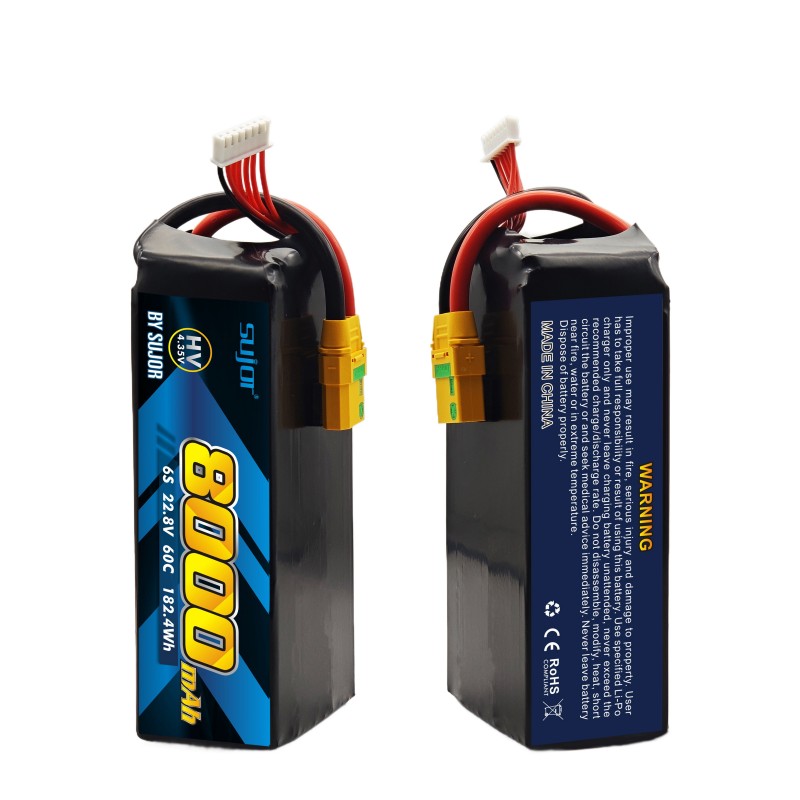
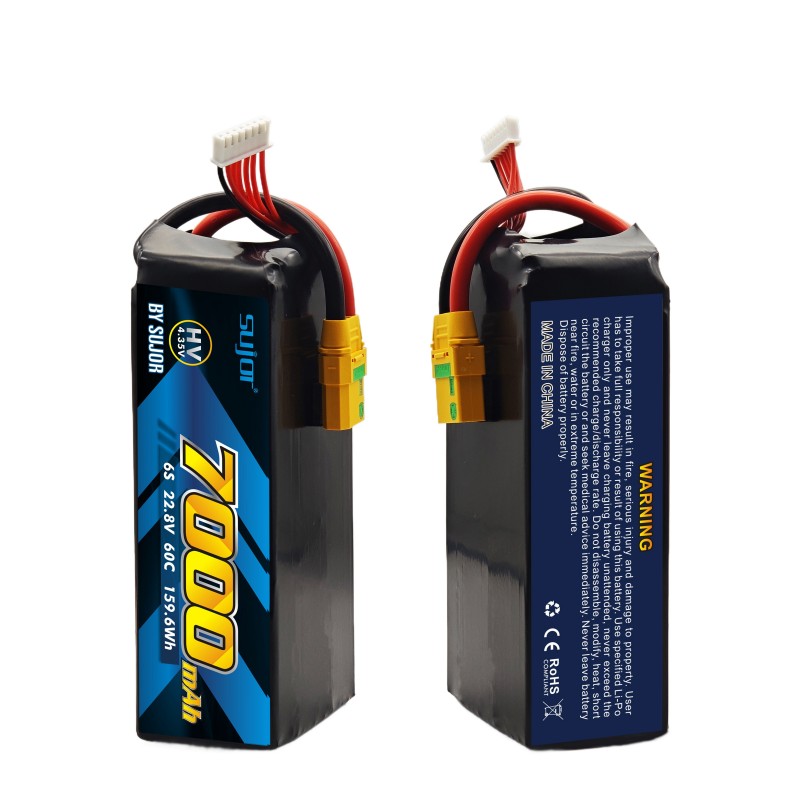
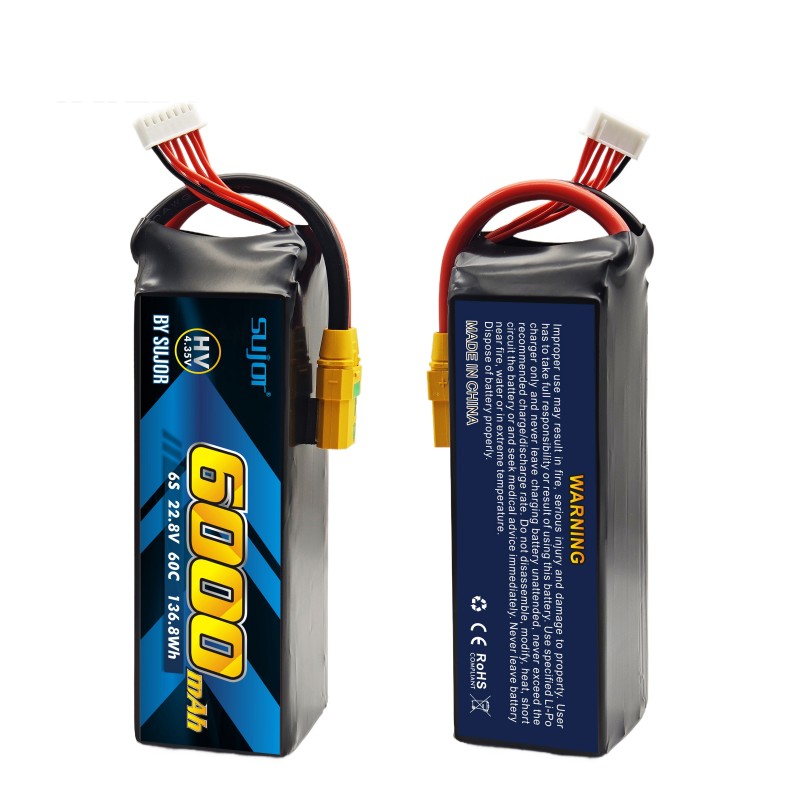
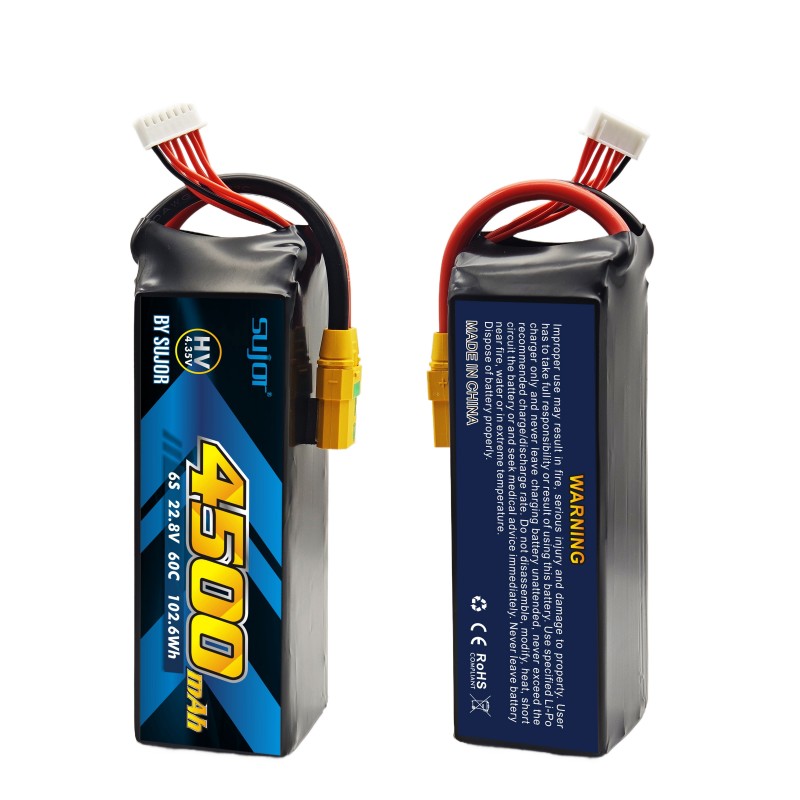
SUJOR aims to provide customers tailored lithium ion battery packs. We could not only provide customers with customized services for individual components such as battery cell, BMS and battery structure, but also offer optimal battery integrated solutions (cell+BMS+structure) based on customer’s detailed requirement.